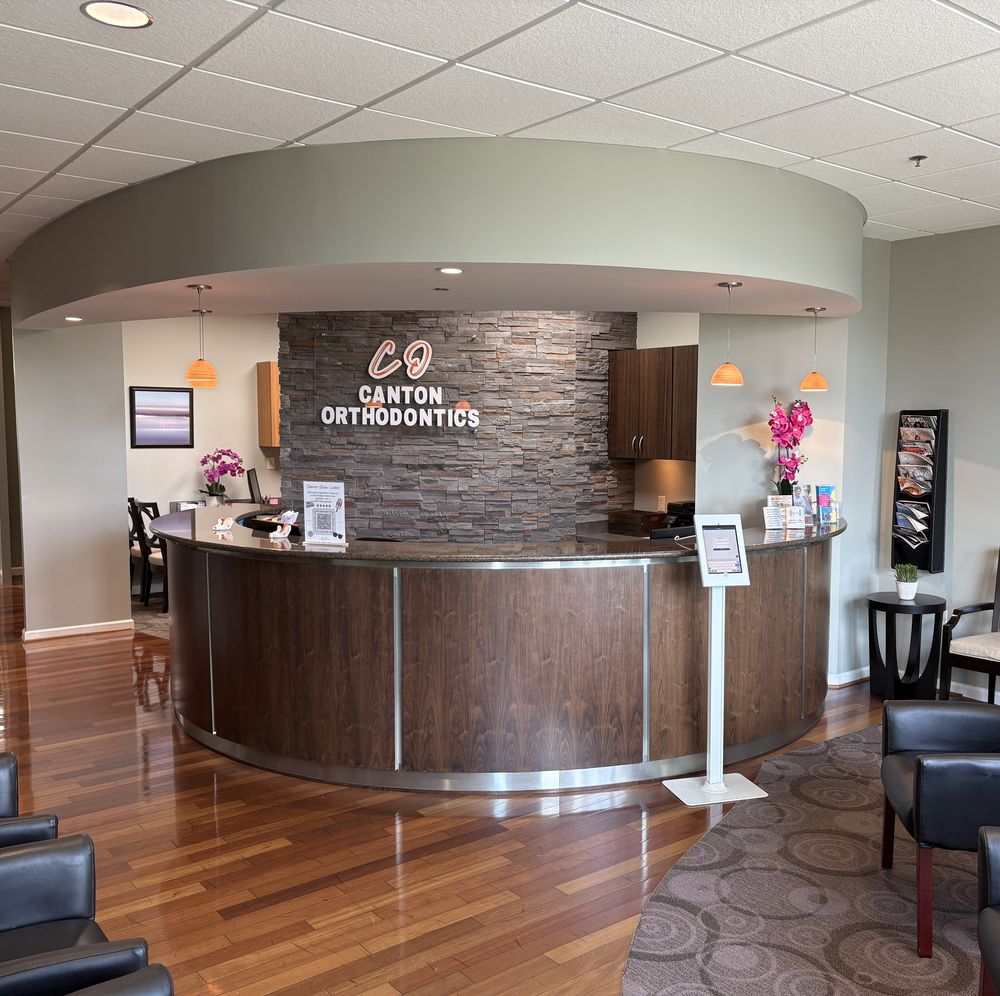


Invisalign in Canton, GA costs $3,500 to $8,000, depending on case complexity, treatment type, and insurance coverage. Thinking about Invisalign to straighten your teeth? You probably have one big question: what will it actually run you? The final number for your smile depends on several factors. This guide from Canton Orthodontics breaks down everything you need to know about the cost of Invisalign in Canton, GA so you can figure out what's right for you.
What Is Invisalign?
Invisalign is a clear aligner system that straightens teeth without metal brackets or wires. These custom-made trays are crafted from BPA-free SmartTrack thermoplastic and fit snugly over your teeth. You wear them 20-22 hours per day, removing them only to eat, brush, and floss.
Unlike traditional braces, Invisalign trays are nearly invisible when worn. This makes them a popular choice for teens and adults who want to upgrade their smiles without the look of metal braces. The system treats mild to moderate orthodontic issues, including crowding, spacing, overbites, underbites, and crossbites.
For many patients, the appeal is simple. You get effective tooth movement with a discreet appearance. Treatment fits into everyday life without drawing attention to itself.
How Invisalign Treatment Works
Your Invisalign treatment starts with a free consult. During this visit, your orthodontist examines your teeth and takes a 3D digital scan. No messy impressions needed. This scan creates a precise map of your mouth that guides your entire treatment.
Using this digital model, your orthodontist develops a custom treatment plan. You'll actually see a projected image of how your teeth will move throughout treatment. It's like a preview of your future smile before you even start.
When your aligners are ready, you'll receive a series of trays. Each set moves your teeth slightly, building on the progress of the one before. You switch to a new set every one to two weeks, depending on your treatment plan.
Check-ins with your orthodontist happen periodically throughout treatment. These visits make sure everything is progressing as planned. If adjustments are needed, your orthodontist can modify the approach.
After your teeth reach their final positions, you're not quite done. Retainers keep your teeth in place and protect your investment. Most members of the orthodontic family wear retainers at night to maintain their results long-term.
Benefits of Choosing Invisalign
Are Invisalign Aligners Discreet?
The clear trays blend with your natural teeth. Most people won't notice you're wearing them at all. Invisalign is a good fit for professionals, teens, and anyone who prefers a subtle treatment option. The thin, transparent material sits close to the tooth surface, so even up close it's tough to spot.
Can You Remove Invisalign to Eat and Clean?
Yes. Take out your trays when you eat and enjoy your favorite foods without restrictions. Brushing and flossing happen just like normal, which helps maintain healthy teeth and gums during treatment. That removability is a real day-to-day perk. Family dinners, weddings, work lunches, all of it stays normal.
How Often Will You Visit the Practice?
Traditional braces often require monthly adjustments. Invisalign wearers typically visit less frequently, making it easier to fit treatment into a busy schedule. Many practices use remote monitoring tools too, so some check-ins can happen from home.
Is Invisalign Comfortable?
No metal brackets mean no wire pokes or bracket irritation. The smooth plastic edges are gentler on your cheeks and gums. There's still an adjustment period when you switch trays, but most wearers describe the feeling as pressure rather than soreness.
Can You Preview Your Results?
Digital treatment planning shows you exactly how your teeth will move. You know what to expect from day one. Seeing the end result up front helps you stay motivated through every tray change. It also makes the experience feel personal rather than guesswork.
Invisalign vs. Traditional Braces: Cost Comparison
Many people assume Invisalign runs significantly more than braces. The reality? Pricing has become quite comparable in recent years.
| Treatment Type | Typical Price Range | Best For |
|---|---|---|
| Traditional Metal Braces | $3,000 - $7,000 | Complex cases, all ages |
| Ceramic Braces | $4,000 - $8,000 | Patients wanting less visible braces |
| Invisalign | $3,500 - $8,000 | Mild to moderate cases, teens and adults |
Note: These ranges reflect national averages. Your actual pricing depends on your specific case and location.
For straightforward cases, Invisalign and metal braces often fall within the same price range. Complex cases requiring extensive tooth movement may push Invisalign toward the higher end. Ceramic braces, another aesthetic option, typically run about the same as Invisalign.
Insurance coverage works similarly for both treatments. Most orthodontic plans that cover braces also cover Invisalign at the same benefit level. Your out-of-pocket may be comparable regardless of which option you choose. Board-certified orthodontists can walk you through the differences in detail at your free consult so you understand exactly where your case falls.
Factors That Affect Invisalign Pricing
The cost of Invisalign depends on case complexity, treatment package, location, provider experience, insurance coverage, and additional treatments. Each of these things that affect your price plays a role in the final number, so understanding how they fit together helps you anticipate what you'll spend.
Case complexity matters most. Simple spacing issues require fewer trays and shorter treatment times. Complex bite cases need more trays, refinements, and longer treatment. The more trays your case requires, the higher the price.
Treatment type also shapes the number. Invisalign offers different packages:
- Invisalign Express: For minor corrections, typically 7 trays or fewer
- Invisalign Lite: For mild cases, up to 14 trays
- Invisalign Full: For moderate to complex cases, unlimited trays
Express and Lite options run less than the Full package.
Where you live shapes the price. Orthodontic fees vary by region. Practices in areas with higher overhead typically have higher fees. Urban locations often have higher fees than rural communities.
Provider experience and tier status play a role. Invisalign ranks providers by experience level. Platinum and Diamond providers have treated many cases and often have refined techniques. Board-certified orthodontists with Platinum+ Invisalign Provider status bring a depth of training that many patients value when choosing where to be treated. Provider tier doesn't always correlate with higher prices, though. It indicates experience volume.
Insurance coverage varies widely. Some plans cover a percentage of treatment. Others offer a flat dollar amount toward orthodontics. Review your benefits carefully or ask the practice to verify your coverage.
Additional treatments add up. Some cases need attachments, which are small tooth-colored bumps that help trays grip teeth for specific movements. Refinement trays may be needed if teeth don't track perfectly. Most Full plans include refinements, but confirm this with your provider.
Who Is a Good Candidate for Invisalign?
Invisalign works well for many people, but it's not right for everyone. The best candidates share certain characteristics.
Teens and adults with mild to moderate issues see strong results. Crowding, spacing, and many bite concerns respond well to Invisalign treatment.
Commitment is essential. You must wear your trays 20-22 hours daily for treatment to work. If you're likely to forget or remove them frequently, braces might be a better choice. Invisalign only works when the trays are in your mouth. Build the habit early.
Healthy teeth and gums provide the foundation for treatment. Active gum disease or untreated cavities should be addressed first. Your orthodontist may coordinate with your general dentist to make sure your mouth is ready before trays arrive.
Severe cases may need alternatives. Some complex bite cases respond better to traditional braces. Your orthodontist might recommend braces alone or a combination approach for the best results. A thorough evaluation determines which option suits your needs.
Lifestyle factors matter too. If you play contact sports, travel often, or attend lots of public-facing events, the removable design of Invisalign can be a real advantage. Many wearers mention how easily Invisalign fits into their daily routines, from work meetings to school photos. The only way to know for sure is a personalized evaluation, where your bite, oral health, and goals all get reviewed together.
Frequently Asked Questions About Invisalign Pricing
Does Insurance Cover Invisalign?
Many orthodontic insurance plans cover Invisalign the same way they cover braces. Coverage typically ranges from a percentage of treatment to a flat lifetime orthodontic benefit. Contact your insurance provider or ask the team at Canton Orthodontics, serving Canton and Roswell, GA, to verify your specific benefits before starting treatment.
Are Payment Plans Available?
Most orthodontic practices offer monthly financing to make treatment easier on the budget. Low payment options spread the total over the length of treatment, often with little or no interest. Many families find that breaking the total into smaller monthly amounts makes Invisalign easier on the budget without straining the household.
Can HSA or FSA Funds Be Used For Invisalign?
Yes, Invisalign typically qualifies as an eligible expense for Health Savings Accounts and Flexible Spending Accounts. Using pre-tax dollars effectively reduces your overall investment. Check with your plan administrator to confirm eligibility and maximize your benefits.
Is Invisalign Higher Priced Than Traditional Braces?
Not necessarily. While Invisalign was once seen as the higher-priced choice, pricing has become comparable for many cases. Simple cases may run about the same with either treatment. Complex cases requiring extensive work may see more variation. The best way to know is to get quotes for both options during your free consult with the board-certified orthodontists at Canton Orthodontics.
How Much Does An Invisalign Consultation Cost?
Many practices offer free consults for Invisalign evaluations. During this visit, you'll learn whether you're a candidate, see projected results, and receive a personalized estimate. There's no obligation to proceed.
Are Refinements Included In The Price?
Invisalign Full plans typically include refinement trays at no additional charge. These extra trays fine-tune your results if teeth don't move exactly as predicted. Ask your provider to confirm what's included in your quoted price before starting treatment.