
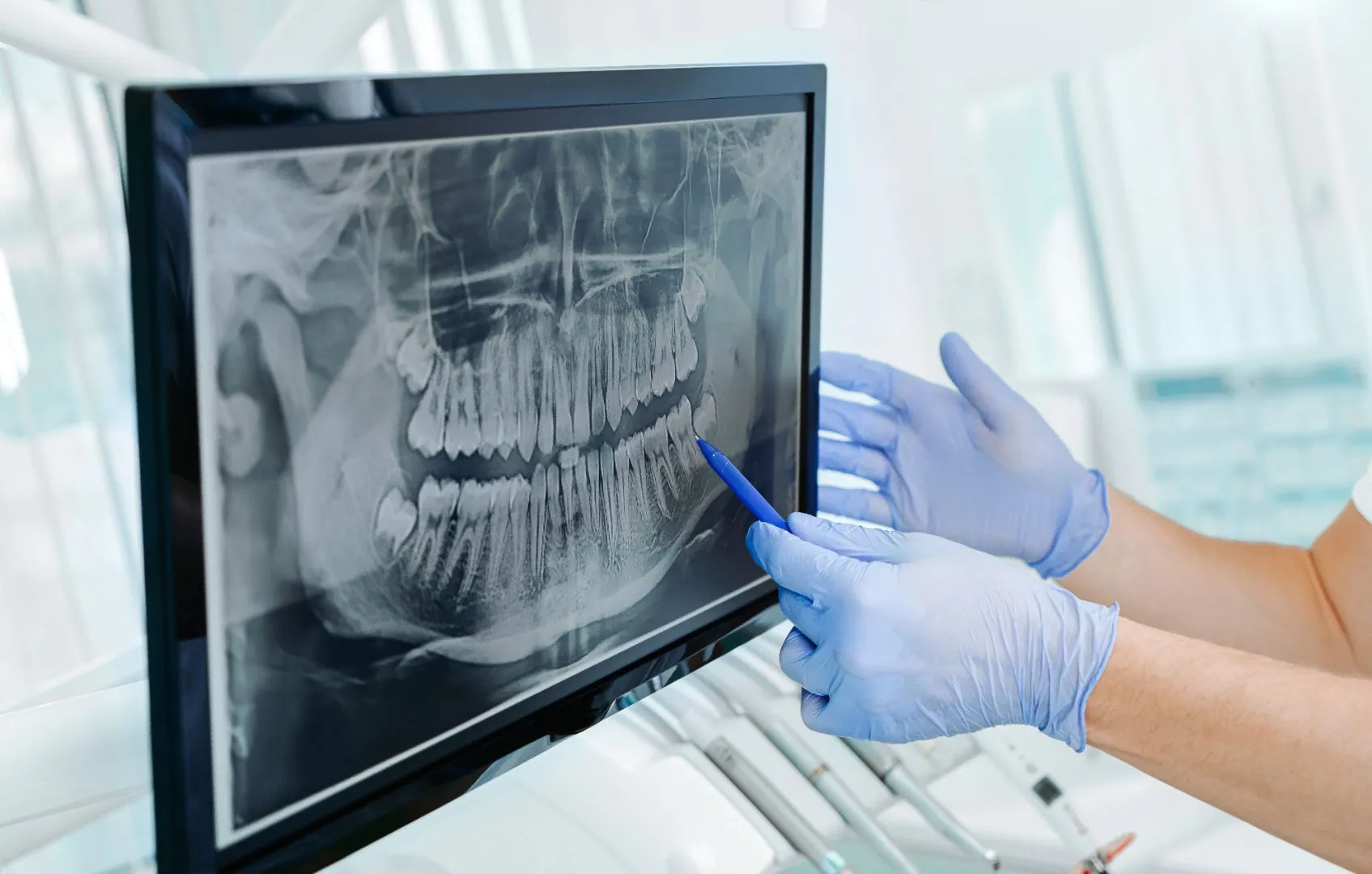
Orthodontic technology has advanced significantly in recent years, helping patients achieve healthier smiles more efficiently than ever before. One of the most impactful innovations is 3D CBCT imaging (Cone Beam Computed Tomography). This advanced imaging technology allows orthodontists to see teeth, roots, bone structure, and airway anatomy in remarkable detail.
For many patients, this level of precision can lead to more accurate treatment planning and faster results—sometimes reducing overall orthodontic treatment time by up to 30%.
Here’s how CBCT technology is transforming orthodontic care.
What Is 3D CBCT Imaging?
CBCT stands for Cone Beam Computed Tomography, a specialized type of 3D X-ray used in dentistry and orthodontics.
Unlike traditional dental X-rays that produce flat, two-dimensional images, CBCT scans create a detailed three-dimensional view of the entire oral and facial structure, including:
- Teeth and tooth roots
- Jawbone structure
- Tooth positioning beneath the gums
- Sinuses and airway space
- Nerve pathways
This comprehensive view helps orthodontists diagnose and plan treatment with far greater precision.
Why Traditional 2D Imaging Has Limitations
For many years, orthodontists relied primarily on 2D X-rays and photographs to evaluate tooth alignment and jaw development. While these tools are still useful, they don’t always show the full picture.
Two-dimensional images can make it harder to see:
- The exact position of tooth roots
- Impacted or hidden teeth
- Bone density and thickness
- Complex jaw relationships
Because orthodontic treatment moves teeth through bone, understanding these structures in three dimensions is essential for precise planning.
How CBCT Improves Treatment Planning
With CBCT imaging, orthodontists can view a complete 3D model of your teeth and jaw before treatment begins.
This allows them to:
- Plan precise tooth movements
- Identify potential obstacles before treatment starts
- Evaluate jaw growth and bone support
- Detect impacted or unerupted teeth
- Customize orthodontic appliances
By seeing these details early, orthodontists can design a more efficient treatment plan that minimizes delays and unnecessary adjustments.
Fewer Surprises During Treatment
One of the biggest reasons orthodontic treatment sometimes takes longer than expected is unexpected complications.
For example:
- A tooth root may be positioned differently than expected
- An impacted tooth may interfere with alignment
- Bone thickness may limit certain movements
CBCT imaging helps orthodontists identify these factors before treatment begins, allowing them to plan accordingly and avoid mid-treatment changes.
More Precise Tooth Movement
Orthodontic treatment works by applying controlled pressure to guide teeth into new positions. With CBCT imaging, orthodontists can see exactly where each tooth root sits within the bone.
This allows for:
- More precise tooth movement
- Reduced risk of root damage
- Better control of bite alignment
- Improved long-term stability
Because movements are more accurately planned, treatment can often progress more efficiently.
Better Planning for Complex Cases
CBCT technology is particularly helpful for more advanced orthodontic situations, such as:
- Impacted canines
- Severe crowding
- Jaw growth discrepancies
- Surgical orthodontic cases
- Airway and breathing concerns
The 3D scan allows orthodontists to evaluate these cases thoroughly and coordinate care with other dental specialists when needed.
Improved Monitoring Throughout Treatment
In some cases, CBCT imaging may also be used to evaluate treatment progress or confirm the positioning of teeth and roots during orthodontic care.
This added level of monitoring helps ensure that treatment stays on track and that tooth movement remains healthy and controlled.
Is CBCT Imaging Safe?
CBCT scans use a low level of radiation, and orthodontists only recommend them when the additional information will improve diagnosis or treatment planning.
Modern CBCT machines are designed to capture detailed images quickly and efficiently, typically taking less than a minute to complete a scan.
For many patients, the diagnostic benefits far outweigh the minimal exposure involved.
Technology-Driven Orthodontic Care at Canton Orthodontics
At Canton Orthodontics, we use advanced technology to create efficient, personalized treatment plans for every patient. Tools like 3D imaging allow us to evaluate tooth positioning, jaw structure, and facial development with exceptional accuracy.
This technology supports a wide range of orthodontic treatments, including:
- Braces (metal, clear, and champagne)
- Self-ligating braces
- Invisalign clear aligners
- Two-phase treatment for children
- Orthodontic expanders
By combining modern technology with experienced care, we help patients achieve healthy, confident smiles as efficiently as possible.
If you’re considering orthodontic treatment for yourself or your child, advanced imaging and personalized planning can make a significant difference in the overall experience.
Contact Canton Orthodontics today to schedule a consultation at our Canton or Roswell, GA office and learn how modern orthodontic technology can support a faster, more comfortable path to a great smile.